
The prostate is a male organ. As age increases, the risk of developing prostate-related conditions such as prostatitis and benign prostatic hyperplasia (BPH) increases.
If you already have prostate problems, it’s recommended that you follow your doctor’s instructions for treatment. You can also incorporate the following six prostate-friendly foods into your diet. If you don’t have any prostate problems but want to take preventative measures, you can also include these foods in your diet.
Tomatoes
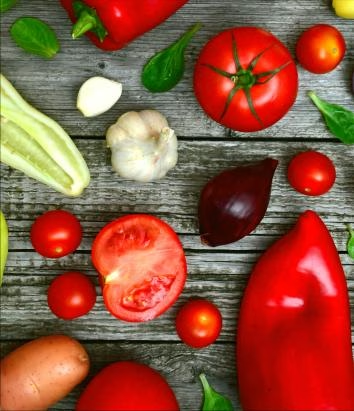
Many scientists believe that tomatoes contain lycopene, a powerful antioxidant that may help protect the prostate and reduce the risk of prostate disease.
In one related study, men who consumed tomatoes or tomato products daily had a lower risk of prostate cancer compared to a control group who did not consume tomatoes.
Scientists speculate that this is because the lycopene in tomatoes can reduce cell damage and may also slow the growth of cancer cells. Scientists also recommend eating tomatoes heated rather than raw to release more lycopene and make it more easily absorbed by the body.
Broccoli
Broccoli, containing many natural compounds, is a cruciferous vegetable that scientists believe may help prevent cancer.
Some scientific studies have shown a correlation between cruciferous vegetable intake and the risk of prostate cancer.
Scientists explain this as a result of the phytochemical sulforaphane found in cruciferous vegetables, which can kill cancer cells without harming healthy cells.
Green Tea
Green tea contains polyphenols, a powerful antioxidant. Catechins, a component of polyphenols, have often emerged as promising antioxidants in many health-related studies.
Recent studies have also shown that green tea may help prevent prostate disease, suggesting that men who drink five cups of green tea daily have a lower risk of prostate cancer.
Soybeans
Soy products, such as soybeans, edamame, and tofu, contain isoflavones, phytoestrogens, which scientists believe may help fight prostate disease.
The National Cancer Institute has also reported a correlation between soy intake and levels of prostate-specific antigen. Prostate-specific antigen (PSA) is a specific protein secreted by the epithelial tissue of the male prostate. The PSA test value is often used as a guide to prostate health.
Pomegranate Juice
Like green tea, pomegranates contain a large amount of antioxidants that can help prevent chronic diseases related to oxidative stress.
Scientists also believe that the antioxidants in pomegranates not only help prevent prostate disease but also kill prostate cancer cells without affecting healthy cells.
Some people don’t like the taste of pomegranate juice. If you don’t like it, try diluting it with drinking water or sparkling water.
Fish Rich in Omega-3 Fatty Acids
Omega-3 monounsaturated fatty acids are a type of fatty acid that the human body cannot synthesize on its own. Therefore, we need to get an adequate amount of omega-3 fatty acids from our diet.
A study published in The American Journal of Clinical Nutrition pointed out that fish intake is related to prostate cancer, especially fish such as salmon, herring, mackerel, sardines, trout, etc. that contain large amounts of omega-3 fatty acids.

Leave a Reply