
YOUR CART
- No products in the cart.
Subtotal:
$0.00
BEST SELLING PRODUCTS

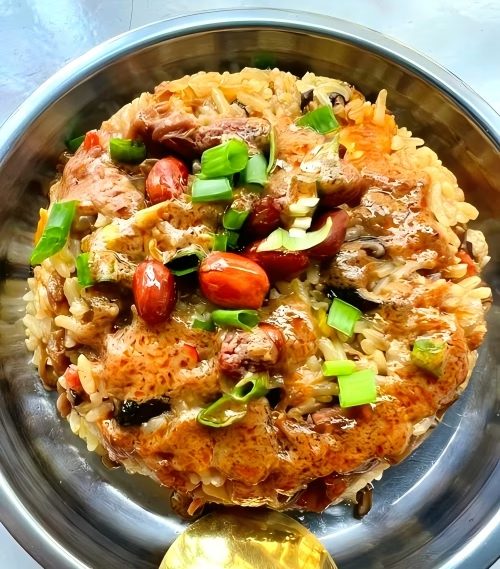
3 Practical Ways to Preserve Cabbage! How to Make Your Own Savory and Delicious “Old-Fashioned Cabbage Rice”? Cabbage contains a variety of nutrients, including B vitamins, vitamin C, vitamin K, vitamin U, calcium, phosphorus, potassium, organic acids, and dietary fiber. Its calcium, iron, and phosphorus content rank among the top five among vegetables. The vitamin…
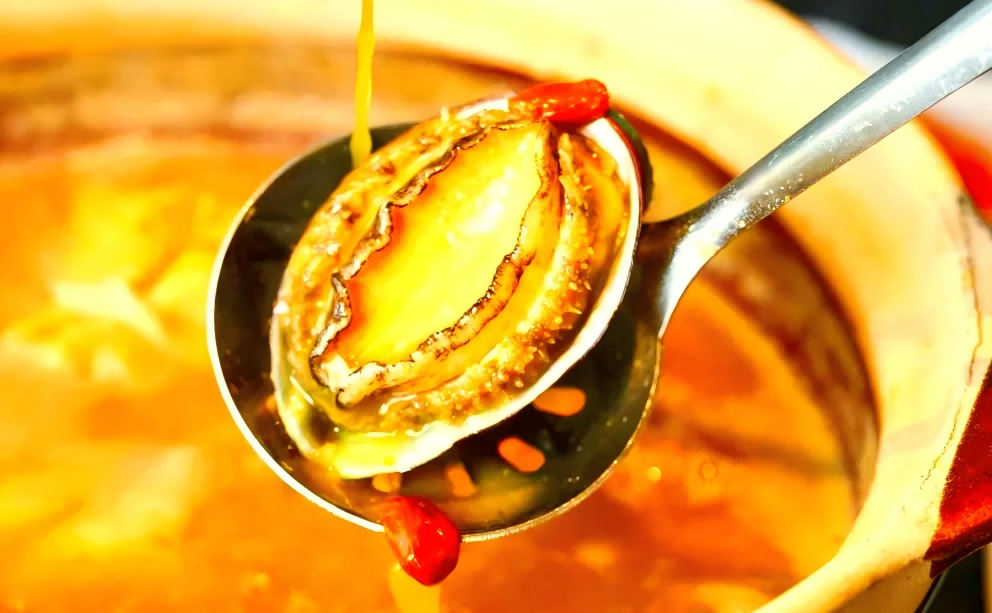
What dishes often require thickening? Thick soups like meat stew, oyster noodles, and corn chowder, as well as thicker sauces like beef risotto, are examples. When it comes to thickening, many people immediately think of cornstarch, a classic thickening ingredient. But where did its name come from? Besides starches like cornstarch, what other natural ingredients…
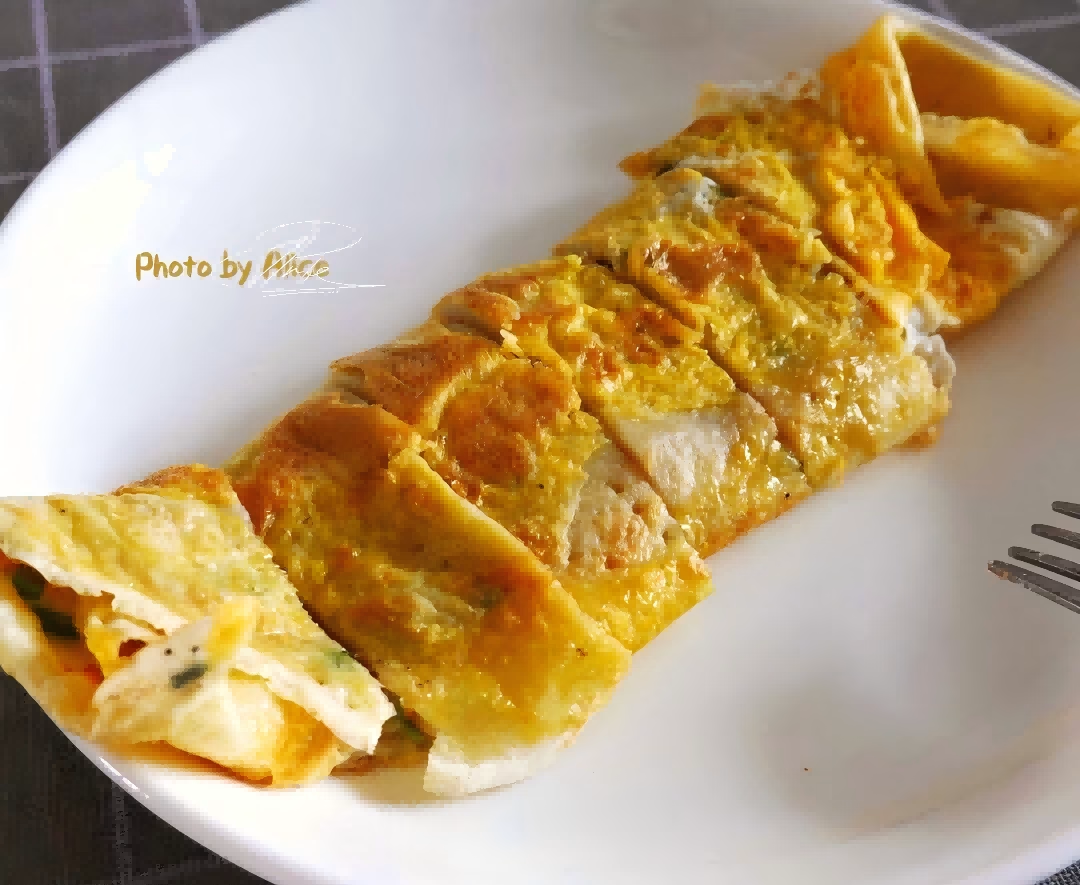
When making baked goods or pastries with a crust, such as omelets, flour is often the primary ingredient. However, rice flour can actually replace flour in many recipes! What are some common rice flour products available on the market? What’s the difference between rice flour and wheat flour? After learning about rice flour, I’ll also…
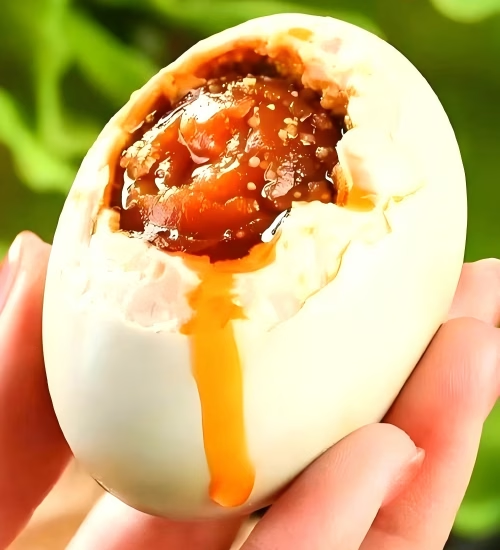
Salted eggs are a very common food in China. They are also used as a condiment in cooking. What kind of eggs are salted eggs made of? How are they made? If you enjoy salted eggs, you can also refer to the salted egg yolk recipe at the end of this article to make a…
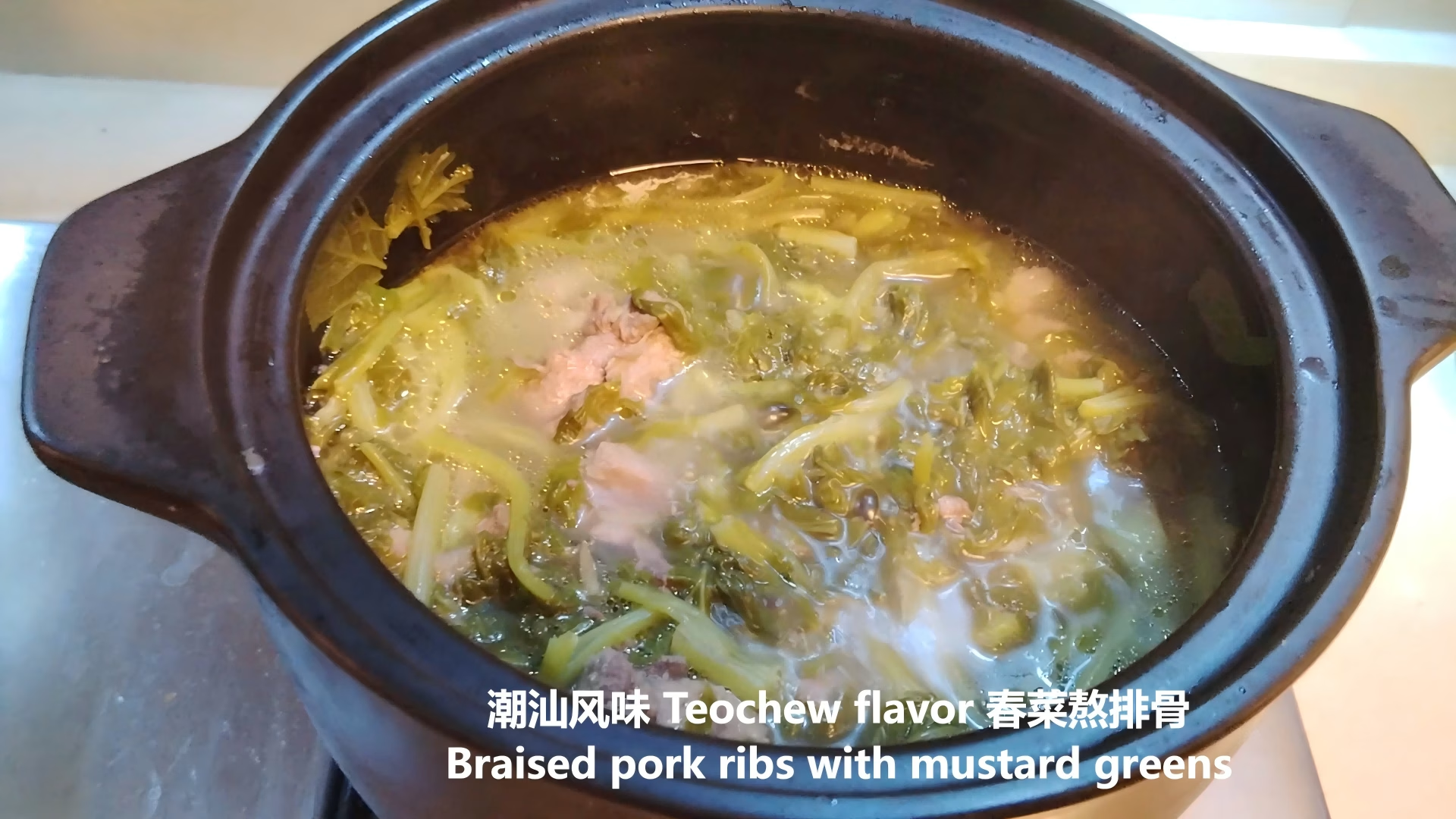
Spring vegetables and pork bones are a classic Teochew dish. It combines meat, vegetables, and broth. The simmering time typically lasts over 1.5 hours. The umami flavor of the meat, the spring vegetables, and the bones blend together, seasoned with salt and lard for a delightfully sweet and fragrant taste. The pork bones further concentrate…
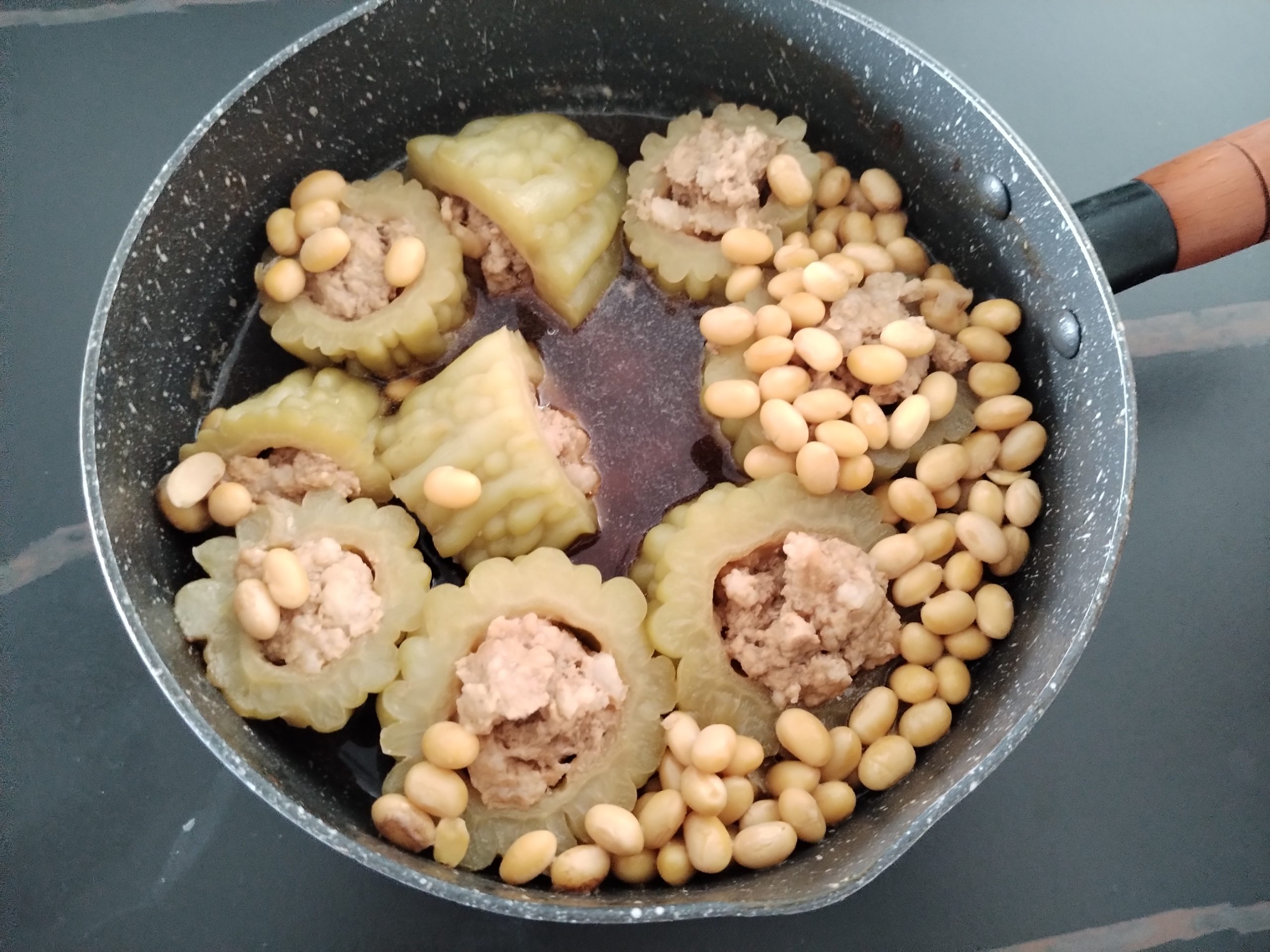
In Teochew, bitter melon is a popular soup ingredient in summer. Besides the bitter melon and pork ribs soup we’ve mentioned before, there’s also this bitter melon and soybean soup. Hollowing out the bitter melon, adding pork and soybeans, the soup is a perfect way to beat the heat. Instruction video
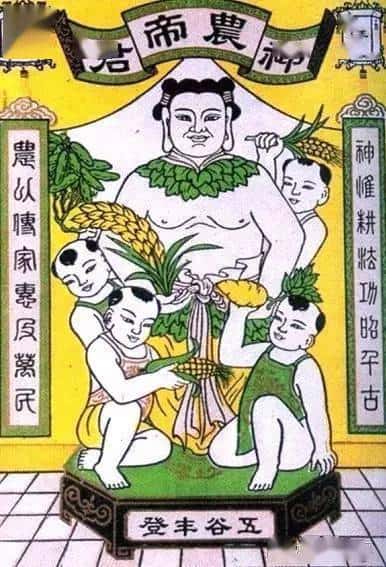
Ancient China was an agricultural society. Most families made their livings from farming. Good weather and good harvests every year were the wishes of the Chinese. Therefore, related sacrificial activities were also born from agricultural activities. To this day, these ancient customs are still intact in Teochew. Teochew’s “Five Grains Mother” Every year on the…
Bitter melon is considered a ‘yin’ food in Chinese medicine, and is particularly suitable for consumption in the hot summer. Teochew’s Healthy Bitter Melon Diet The Teochew people have preserved the traditional Chinese medicine philosophy of health preservation and incorporated it into their diet. From a nutritional point of view, bitter melon has the therapeutic…
Teochew Shacha Sauce has a stronger aroma than Fujian Shacha Sauce, with a strong peanut flavor and a light spicy taste. Shacha sauce is a sauce popular in Taiwan, southern Fujian and eastern Guangdong in mainland China. It originated from the peanut barbecue sauce (Satay) in Southeast Asia. Different Shacha sauce After years of development,…
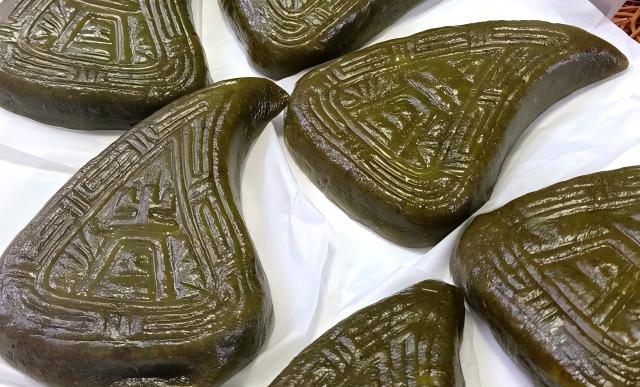
Shuke Kueh is a snack in Teochew.(Kueh means food made by rice) At the end of the Southern Song Dynasty, the Yuan army invaded, and the people suffered from hunger and cold. The people had to eat grass roots and wild vegetables to survive. Inadvertently, Shuke Grass was discovered, which was not only non-toxic but also…