
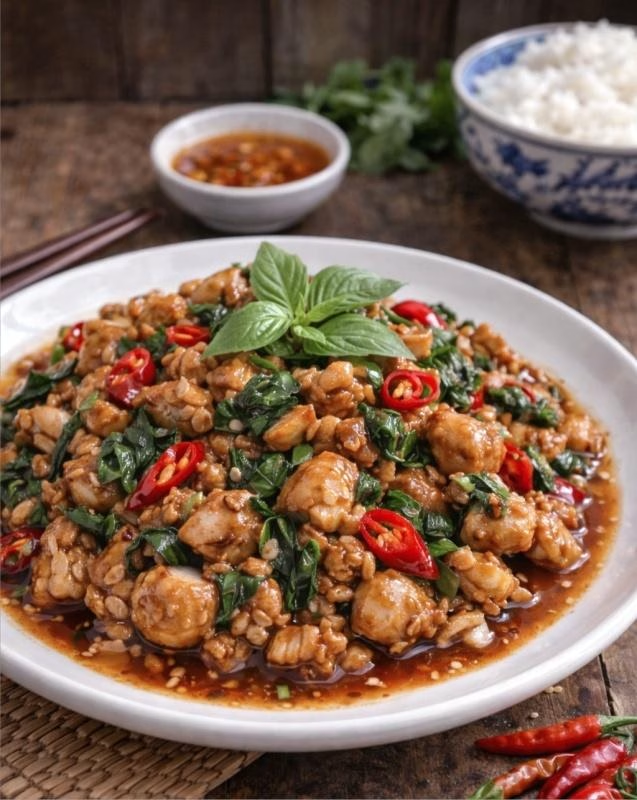
Basil is a herb most people have eaten, as it’s an essential ingredient in pesto pasta. Basil is actually a general term encompassing many different varieties, such as “Thai basil,” commonly used in some Asian countries.
And even within Thai basil, there are different types, such as red-bone and white-bone varieties. The Western-style basil used in pesto pasta is called “sweet basil,” which has a less pungent flavor compared to regular Thai basil.
Other interesting varieties include lemon basil and lime basil, which have citrus notes.
The Importance of Basil in Traditional Culture
Many traditional cultures believe that basil is highly beneficial to health. For example, Jews believe that basil can provide strength during Yom Kippur fasting. The French often call basil the “royal herb,” and the ancient Greeks called it the “king of herbs.”
Many Asian cultures also use basil, particularly the pith of the herb Basilica basilica, as a traditional medicinal herb. For instance, Ayurveda, a traditional Indian medicine similar to Traditional Chinese Medicine, lists Indian basil as an important herb.
Basil contains many antioxidants and has anti-inflammatory properties, offering numerous health benefits. Basil is very popular in both Europe and Asia.
Basil Cultivation
Although different varieties of basil have different aromas, they all generally have a clove-like scent due to the presence of eugenol.
Fresh basil is more suitable for cooking than dried basil because its flavor is more intense.
Basil is quite easy to grow; it germinates relatively quickly. If you don’t have a balcony to grow basil, no problem! Simply plant the seeds in a small pot with soil and place it near a window to get some sunlight. Once it grows, you’ll have fresh basil for several months.
Growing it indoors also has another advantage, as basil is sensitive to cold, and keeping it indoors provides shelter. When you want to use basil, simply cut off the amount you need with scissors.
Basil Applications in Cooking
This section focuses on sweet basil, a common herb in Western countries. There are generally three ways to cook sweet basil:
The first is to eat it raw, such as adding it to salads or sprinkling it on finished dishes (Basil has a stronger flavor and is usually not eaten raw).
The second is to cook it with other dishes, but because cooking for too long will reduce its aroma, experts recommend adding it shortly before the dish is finished cooking.
The third is to chop it and make a sauce with other seasonings.
Basil pairs well with a wide variety of dishes, especially tomato dishes. It goes incredibly well with tomatoes, making it a great addition to tomato pasta or pizza.
Other suitable options include meat dishes, salads, and seafood. Here are some recipes using basil for your reference.
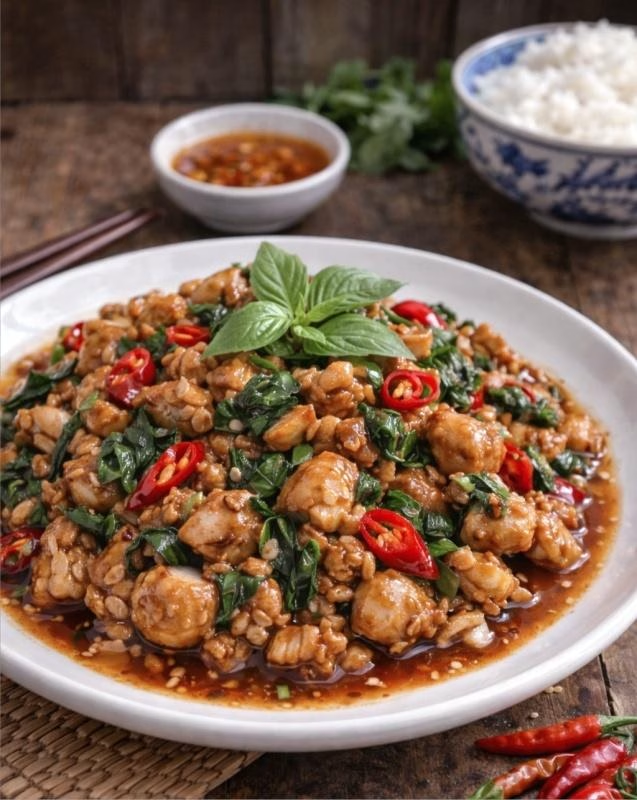

10-Minute Thai Basil Chicken Stir-fry Recipe
Ingredients
Notes
10-Minute Timeline
0’–2’ | Garlic and Chili Paste “Awakening the Aroma” Mash garlic and chili peppers into a coarse paste (or pulse 2–3 times in a food processor). Heat 1 tablespoon of oil in a pan over medium heat and sauté the garlic and chili paste until the edges are slightly bubbly and fragrant. 2’–5’ | Browning the Chicken Add the chicken and stir-fry over high heat, spreading it out and not crowding it. Let one side brown before flipping. If some water is released at this point, continue to stir-fry over high heat until the moisture evaporates. 5’–7’ | Adding the Sauce Along the Edge Pour a bowl of Krapow sauce along the edge of the pan, keeping it bubbling. Cook for 30–40 seconds until the sauce thickens and thinly coats the back of the spatula. 7’–8’ | Adding the Basil “Suppressing the Aroma” Reduce the heat to low and press a handful of basil leaves into the pan all at once. Stir a couple of times, and they will instantly wilt and release their aroma. 8’–10’|Poached Egg + Plate In a separate pan over low heat, poach the egg until bubbles appear around the edges and the yolk is semi-set. Place the cooked basil chicken on top of hot rice, top with the fried egg, and squeeze 1–2 drops of lime. Finish: Glossy chicken, crisp basil, sauce clings well, runny yolkKey Points (Determine Success or Failure)
- Pound the garlic and chili: Pounded garlic and chili paste emulsifies more easily with oil, resulting in a more complex aroma.
- Color first, then season: Pan-fry the chicken until caramelized before adding the sauce to avoid “boiled chicken pieces”.
- Add the sauce along the edge: This prevents cooling and helps it thicken; when the sauce starts to bubble vigorously, it’s almost ready to cling.
- Add the basil last: Stir briefly and remove immediately; prolonged cooking will cause it to darken and become bitter.
- Sweetness should be subtle: Sugar is only used to balance the saltiness of the fish sauce and the spiciness of the chili; avoid making it “sweet”.
Problem Solving and Rescuing:
- Too much water, bland flavor: Chicken not spread out properly or insufficient heat; increase heat, stir-fry until the moisture evaporates, then add 1 teaspoon of sauce.
- Too salty: Too much fish sauce; add 1-2 tablespoons of water + a small amount of sugar and reduce.
- Lack of basil aroma: Incorrect variety or overcooking; use Holy Basil and add it 20 seconds later.
- Not coating with sauce: Too much water in the sauce or low heat; increase heat and reduce for another 20 seconds until a thin film forms on the back of the spatula.
Flavor Variations (More Fun):
- Minced Pork Version (Basil Pork): Use pork instead of chicken, same process (see Figures 1 & 4 for plating reference).
- Crispy Pork Belly Version: First dice the crispy pork belly and then stir-fry; the crispiness pairs well with basil (see Figure 3 for reference).
- Adding Vegetables for a Refreshing Look: Add green beans/baby corn for a more “Thai” color.
- Less oil, lighter on the palate: Chicken breast with a small amount of chicken skin for added flavor; the total oil content can be controlled to around 1 tablespoon.

Leave a Reply