
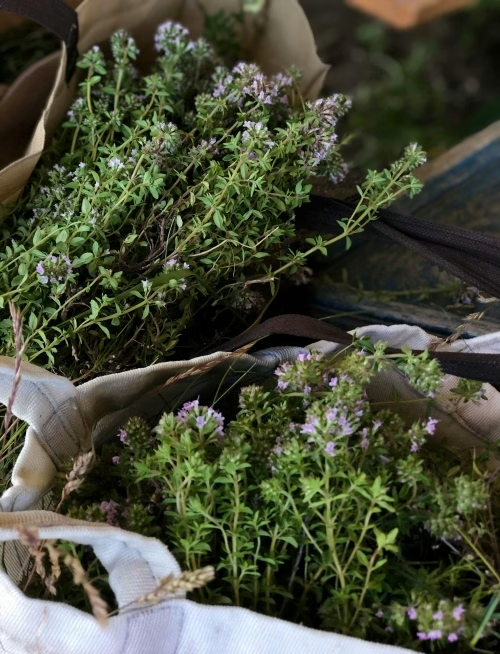
Thyme (also known as musk herb) originates from the Mediterranean coast and is an evergreen plant, meaning it has green leaves year-round.
Like rosemary, it has two growth directions: upright and creeping. It flowers, and the flower color varies depending on the variety, including red, purple, white, pink, and more. There are many varieties of thyme, such as common thyme and lemon thyme, which has a lemony scent, and some are used in cooking.
Some varieties are used as lawn grass, such as the short-statured creeping thyme.
Cultivation methods for thyme
Many people who have grown thyme mention that it germinates rather slowly. If you sow it from seed in soil, you need to be patient. Alternatively, you can use cuttings to propagate it.
Thyme thrives in warm weather; it’s best to keep it indoors during colder periods, but it needs sunlight.
In terms of care, it doesn’t need frequent watering; water only when the soil is dry. The soil should have good drainage; adding gravel or similar media is recommended. To harvest, simply cut off the desired amount with scissors.
Cooking Applications of Thyme
Experts believe that fresh thyme has a more pronounced flavor than dried thyme. However, regardless of whether you use fresh or dried, it’s recommended to add it at the beginning of the cooking process, as it needs time to develop its aroma.
Thyme pairs well with meats, fish, vegetables, seafood, beans, and more. It can be used in various ways, such as stews, grilling, salads, soups, teas, sauces, and marinades.
Thyme is also one of the main ingredients in the famous “herbs of Provence” from southern France. The French love to use this blend of Provence herbs (including thyme, mint, rosemary, basil, etc.) in various dishes. Finally, I’d like to share some recipes using thyme.

Leave a Reply