
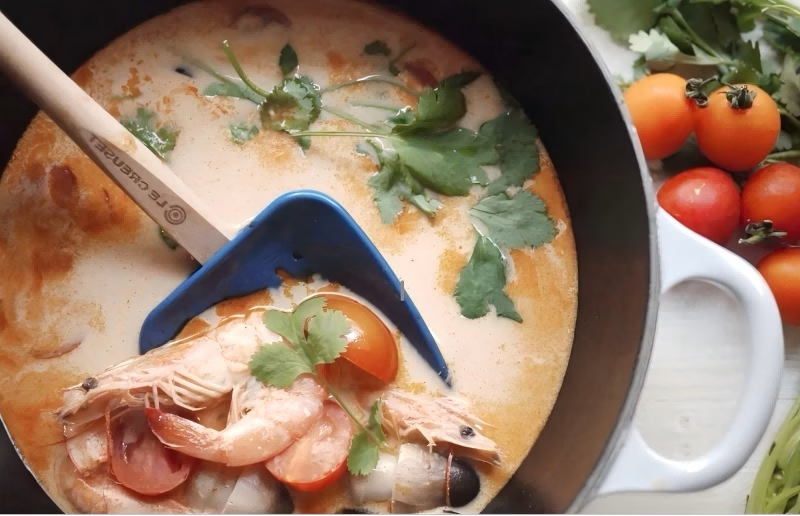
The raw shrimp shells, heads, and tails that are removed when preparing shrimp are usually thrown away.
But this is actually a bit wasteful, because these shrimp shells can be used to make incredibly delicious shrimp stock!
There’s no fixed ratio of water to shrimp shells when making shrimp stock, but the cooking process is generally the same. Here’s a recipe for you to try:
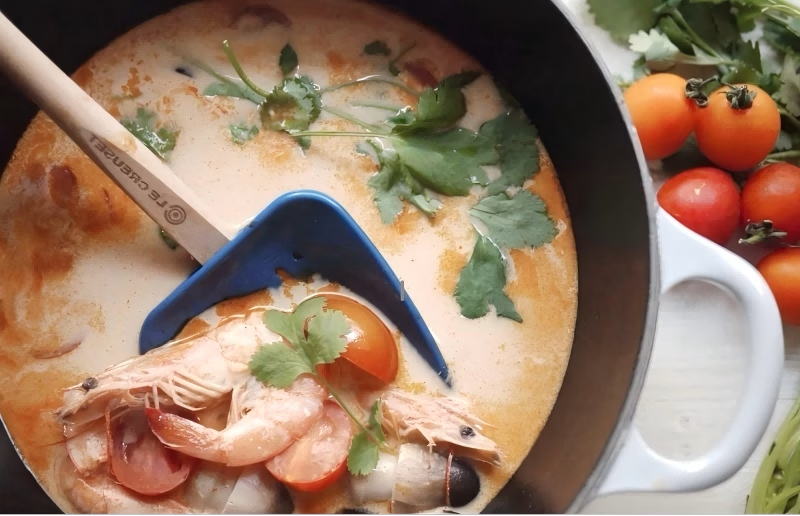

TOM YUM KUNG RECIPE
In Thai, "Tom Yum" refers to a sour and spicy flavor, and "Kung" means shrimp. This Tom Yum Kung dish combines sour, spicy, and savory flavors.
Ingredients
Notes
- Heat oil in a pan and sauté shrimp shells until fragrant to prepare shrimp broth.
- Add about 900ml of water and bring to a boil to extract the flavor. Pour out the shrimp broth and set aside.
- In the same pan, sauté shrimp roe or shrimp meat and chili peppers until fragrant.
- Pour in the strained shrimp broth, add lemon leaves, galangal, and lemongrass.
- Add about 2 tablespoons of tom yum sauce.
- Add straw mushrooms and cherry tomatoes and simmer for about 5 minutes, then turn off the heat.
- Remove the spice leaves, add fish sauce and lemon juice, and stir well. Taste the broth to check the sourness and spiciness (to determine the amount of coconut milk to add later).
- Add coconut milk, bring to a boil, then turn off the heat and taste again.
- Adjust the tom yum sauce or coconut milk to your liking!
- Garnish with cilantro before serving for added color and flavor.
Shrimp Stock Recipe
- First, heat a little oil in a pot and sauté the raw shrimp shells, heads, and tails until they are cooked and turn orange.
Then, pour enough water into the pot to cover the shrimp shells and bring to a boil over medium-high heat. - The recipe above uses 900ml of water because it’s for a soup, but you can adjust the amount of water according to your cooking needs.
- Once the water boils, reduce the heat to a simmer and cook for 15-30 minutes. The water will gradually turn orange during this process. The simmering time can vary; some recipes emphasize speed and only cook for 5 minutes, while others cook for a full hour.
- After simmering, turn off the heat. Then, use a sieve to remove the shrimp shells, or place the sieve over a large bowl and pour the shrimp stock into the bowl; the shells will remain in the sieve.
- The finished shrimp stock can be used directly in cooking (usually in seafood dishes), replacing water or other stocks.
- If you don’t use all the shrimp stock, you can freeze it for later use, but it’s best to consume it as soon as possible.

Leave a Reply